


Hoje em dia, é possível criar praticamente qualquer tipo de site usando softwares e ferramentas prontos para uso, como o WordPress e sua biblioteca de temas e plug-ins. Às vezes, um projeto exige personalização ou até mesmo uma solução criada especificamente para esse fim.
Na maioria das vezes, a melhor maneira de concluir um projeto desse tipo é trabalhar com um desenvolvedor. Contratação ou parceria com um desenvolvedor can open up a whole new world of possibilities. However, it’s not without pitfalls.
In this article we’ll explain how to go about interacting with developers in order to bridge the communication gap between yourself and your team. If you can learn to communicate effectively, your chances of receiving just what you want are greatly improved.
7 dicas para comunicar o que você deseja aos desenvolvedores
1) Saiba o que você quer
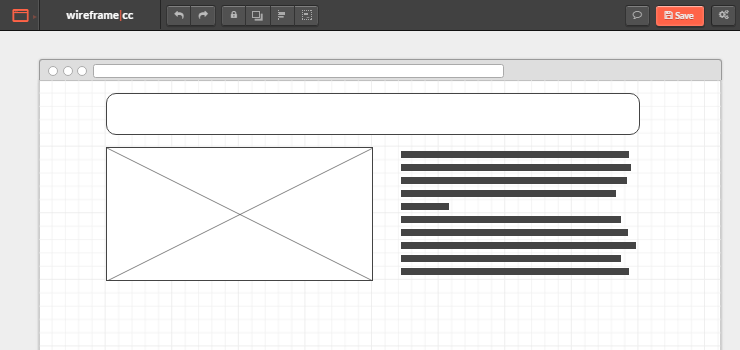
Before you even think about approaching a developer to help you with your project, it’s vital you have a clear idea of what you want. We’re not just talking about the big picture here. You need to have the finer details and small print that describe and define your project.
Esteja preparado para documentar claramente seus objetivos e criar instruções e diretrizes detalhadas que todos possam seguir para realizar o trabalho. Imagine que você fosse subitamente removido do trabalho. Sua equipe conseguiria concluir o projeto?
Depending on the project, this documentation might include a style guide, mock-ups, and/or flowcharts. If you don’t know exactly what you want, there’s little chance even the best developer will deliver something you’re happy with. Time spent up front hammering out the details is never time wasted.
Quanto menos você presumir e quanto mais documentar, mais tranquilo será o andamento do projeto.
2) Faça sua pesquisa
So you need some customized programming for your existing website. What program language will your developer need to be proficient in? If you want to hire a developer to add a members-only section to your WordPress website, what plugin should they use? These are the types of questions you’ll want to ask yourself before you approach a developer about your project.
You don’t need to have todos the answers; after all, you’re hiring a developer for their expertise. However, doing a bit of research on what you hope to achieve and how the project can be completed makes it easier to find someone with the right skills and to ensure the work is completed in the way that you need.
Just remember not to go too far the other way and try to bluff your way through conversations. Be comfortable with exposing your ignorance. You’re the expert at what you do, and the developer is the expert at what they do.
3) Escolha suas ferramentas e metodologias
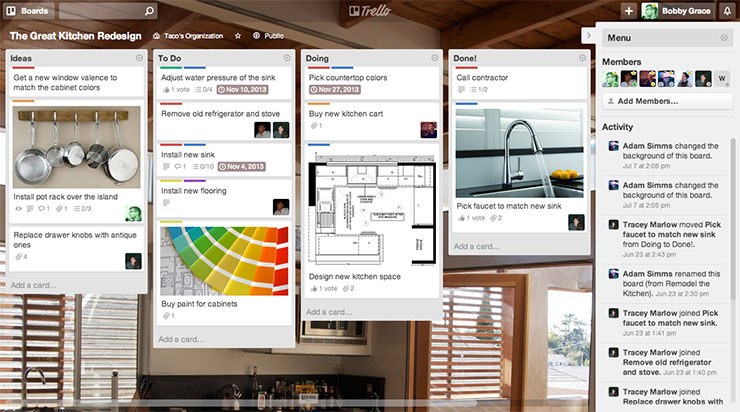
Managing a project through email may have been a viable option in the past, but times have changed. Using your inbox as a check-off list isn’t the most productive way to get things done. There are now countless powerful, free tools like Slack and Trello that make managing a project and communicating with your team much more efficient.
Before you get started, spend a bit of time deciding how your team will communicate and what, if any, methodology you’ll be following, from David Allen’s Realização de tarefas (GTD) ou uma abordagem estruturada para o gerenciamento de projetos, como o PRINCE2.
Don’t forget to define a communication schedule to let your developer know what to expect. Include the turnaround time you expect for communications and what format you’d like reports to be in.
4) Não tenha medo de fazer perguntas
If you’re not sure why your developer has done something in a certain way, ask. Again, there’s no need to try to hide your lack of knowledge, so don’t be afraid to respectfully question their decisions – within reason of course!
If your developer can’t give an adequate answer for something they’re proposing or something they’ve done, they might not be the right person for the job.
5) Mantenha suas armas
Often the reason you’re hiring a developer is because they can do something you can’t or have a higher level of expertise in the field they’re working in. However, this doesn’t mean you should let them talk you into changing your mind or adjusting your project to suit their needs.
A good developer should be trusted to use their expertise to get the job done in the way they think best, but remember, it’s your project and your vision they’re working to realize.
6) Dê feedback útil
As mentioned, your project plan should include ongoing communication with frequent updates from your developer. This ensures your project stays on track and that you don’t find yourself with something totally different than what you initially expected.
To make the most of regular updates, be sure to provide useful feedback to your developer. If you don’t like something, let them know why.
Nothing is more frustrating than being told something is wrong and not knowing why. And demoralizing your developer is not the way to get what you want. Make sure your feedback is meaningful and actionable at all times—even when you’re happy with the work.
7) Não queime suas pontes
As you never know when you might need to work together again, it’s vital that you keep on good terms with your developer as the project is wrapping up.
Almost all software will need updating and improving over time, so make sure you keep to your end of the deal after the project is signed off – whether that’s settling the invoice on time, leaving feedback on a freelancer website, or writing a testimonial.
Considerações finais
Embora você possa ter a sorte de encontrar um desenvolvedor who understands your vision from the outset, most of the time that’s not the case. We hope these seven tips will help you communicate more efficiently with your developer. Clearly defining your vision, explaining your requirements up front, and providing your developer with helpful feedback are all key to ensuring the project meets your expectations
Que preocupações você tem sobre trabalhar com um desenvolvedor? Você já teve problemas no passado? Compartilhe suas ideias nos comentários abaixo.
Se você gostou deste artigo, não deixe de nos seguir em Facebook, Twitter, Instagrame LinkedIn! E não se esqueça de se inscrever na caixa.






 PT
PT  EN
EN  ES
ES  FR
FR  DE
DE 
Adicionar um comentário