

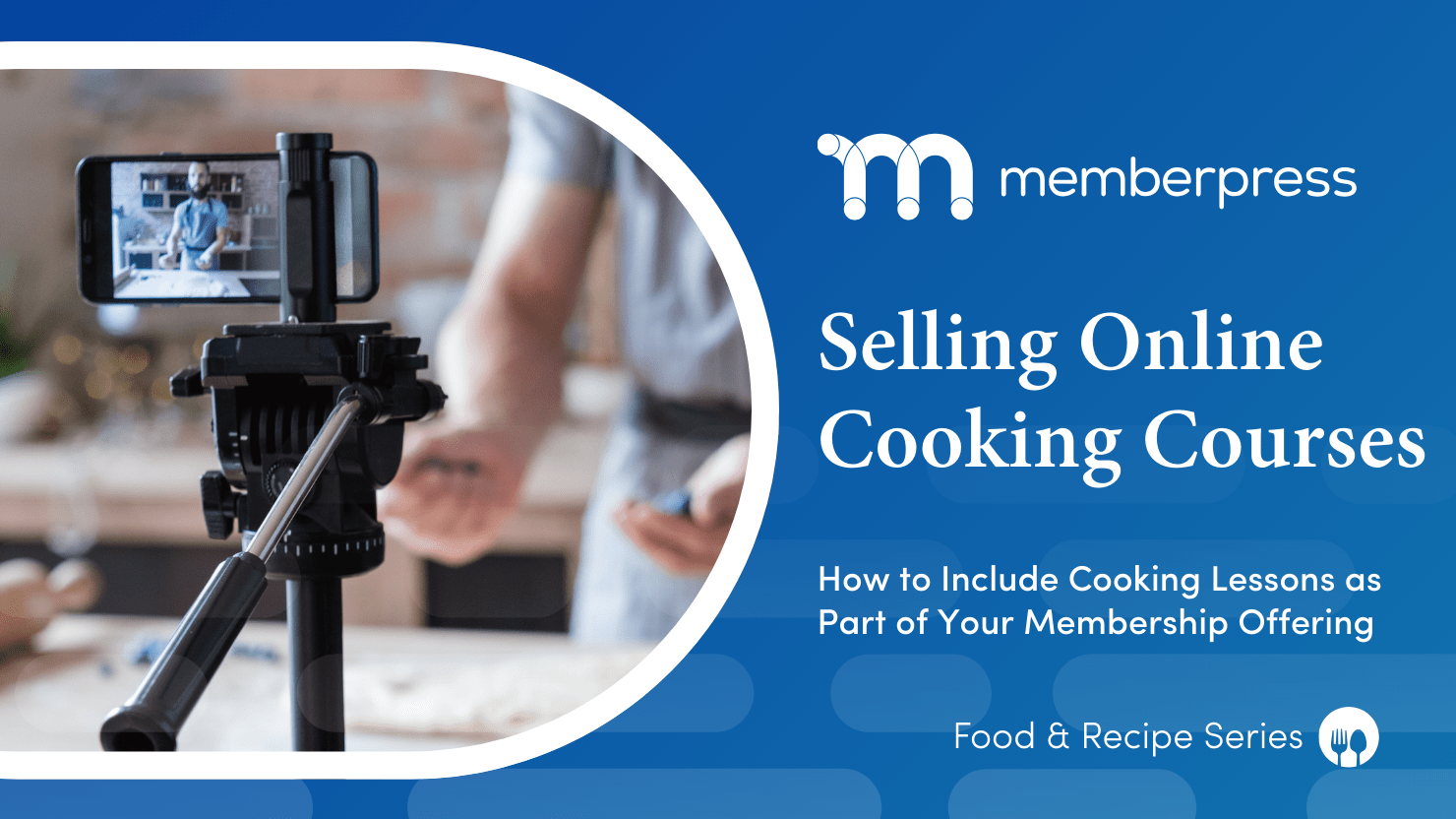
Las recetas dicen qué hay que hacer. Los cursos enseñan a cocinar.
Hay una diferencia entre seguir una receta y saber cocinar. Las recetas son instrucciones; cocinar es una habilidad. Los cursos acortan esa distancia.
Si sabe enseñar (y no todo el mundo puede; no pasa nada), los cursos son una forma fantástica de añadir valor a su afiliación alimentaria.
Consiguen precios más altos, generan un compromiso más profundo y ayudan a su público a lograr una transformación real.
En mi opinión, este es uno de los infrautilizado oportunidades de monetización para los creadores de alimentosya estás enseñando a través de tus recetas, ¿por qué no formalizarlo?
? Este artículo es parte de nuestra serie paso a paso sobre la construcción de un sitio web exitoso de alimentos y recetas. Para ver la hoja de ruta completa, incluidas todas las guías de la serie, empieza aquí ? Cómo crear un sitio web de recetas y alimentos
Por qué los cursos funcionan para los creadores de alimentos
Mayor valor percibido
Un curso parece más sustancial que una colección de recetas. La gente espera pagar más, y lo hace. He visto membresías de alimentos que cobran más de $200 por un solo curso que llevó menos tiempo crear que un mes de contenido de recetas.
Profundización de las competencias
Ver a alguien explicar la técnica del cuchillo es más valioso que leer sobre ella. Los cursos te permiten enseñar de maneras que las recetas no pueden.
La finalización fideliza
Alguien que termina tu curso de panadería ha invertido tiempo y ha desarrollado habilidades con tu orientación. Eso crea un vínculo.
Potencial de ingresos pasivos
Cree el curso una vez y véndalo indefinidamente. A diferencia de las recetas que necesitan una nueva creación constante, los cursos siguen generando ingresos. Un gran modelo para los creadores que quieren salir de la rutina del contenido.
Ideas de cursos que funcionan
No todos los temas de cocina son buenos cursos. Los mejores temas comparten estas características:
- Transformación clara: Los alumnos pasan de no ser capaces de hacer algo a ser capaces de hacerlo
- Suficiente profundidad: El tema requiere algo más que una receta o un vídeo para dominarlo
- Demanda del público: La gente quiere aprender activamente esta habilidad
- Enfoque de nicho específico: El curso sirve a un público claramente definido con un problema específico. No es “cocina sana”, sino “comidas veganas ricas en proteínas para mamás ocupadas”.” Cuanto más específico sea el nicho, más fácil será atraer a los estudiantes adecuados y destacar en un mercado saturado.
1. Cursos centrados en la técnica
Fundamentos de la cocina
- Habilidades con el cuchillo (cortes, seguridad, velocidad)
- Métodos básicos de cocción (saltear, estofar, asar, gratinar)
- Creación de sabores (condimentación, equilibrio, estratificación)
- Organización y puesta en marcha de la cocina
Técnicas específicas
- Hornear pan desde cero
- Pasta casera
- Fermentación (masa madre, kimchi, kombucha)
- Pastelería y panadería
- Dominio de la parrilla y el ahumado
- Cocción Sous Vide
Recomiendo empezar con cursos centrados en la técnica si eres nuevo en esto. Tienen la transformación antes/después más clara, lo que los hace más fáciles de vender y más satisfactorios de completar para los estudiantes.
2. Cursos de cocina
Inmersiones regionales
- Auténtica cocina casera tailandesa
- Tradiciones italianas de pasta
- Salsas madre francesas y sus derivados
- Cocina regional mexicana
- Lo esencial de la cocina casera japonesa
Funcionan especialmente bien si usted tiene una experiencia genuina o una conexión patrimonial con la cocina. Su autoridad es importante en este caso.
3. Cursos centrados en dietas/objetivos
Transiciones en el estilo de vida
- Campamento de cocina vegetal de 30 días
- Cocinar para la salud intestinal
- Alimentación antiinflamatoria
- Dominio de la preparación de comidas para semanas ajetreadas
Los cursos centrados en objetivos aprovechan una motivación que ya existe. Alguien que busca “curso de preparación de comidas” está dispuesto a comprar; ya ha decidido que necesita ayuda.
4. Cursos centrados en el equipamiento
Dominio de las herramientas
- Instant Pot: de principiante a experto
- Todo en la freidora
- Cuidado y cocción del hierro fundido
- Lo esencial para una olla holandesa
- Batidora de pie más allá de lo básico
Creo que los cursos de equipamiento están infravalorados. La gente compra estas herramientas, las usa dos veces y se siente culpable. ¿Un curso que les ayude a utilizar realmente lo que tienen? Eso es resolver un problema real.
Estructuración del curso
Un buen curso tiene un arco claro: principio, medio y final, con progresos mensurables a lo largo del camino.
El marco básico
Módulo 1. Fundamentos Fundación
- Qué aprenderán los alumnos
- Material e ingredientes necesarios
- Cambios de mentalidad (si procede)
- Ganancias rápidas para aumentar la confianza
Módulos 2-5: Competencias básicas
- Desarrollo progresivo de habilidades
- Cada módulo se basa en el anterior
- Mezcla de recetas didácticas y prácticas
- Puntos de control para confirmar la comprensión
Módulo final: Puesta en común
- Aplicar todo lo aprendido
- Recetas más complejas utilizando todas las habilidades
- Próximos pasos para seguir aprendiendo
- Conexión o apoyo comunitarios
Ejemplo: Estructura del curso de panadería
Módulo 1: Conceptos básicos del pan
- Comprender la harina, la levadura y la hidratación
- Equipamiento esencial
- Su primer pan sencillo
Módulo 2: Desarrollar la destreza con la masa
- Métodos de mezcla
- Amasado y desarrollo del gluten
- Comprender la fermentación
Módulo 3: Conformación y puntuación
- Formas básicas
- Crear tensión
- Puntuación por expansión y estética
Módulo 4: Horneado y resolución de problemas
- Preparación del horno y vapor
- Saber cuándo está hecho el pan
- Problemas comunes y soluciones
Módulo 5: Más allá de los panes básicos
- Masas enriquecidas
- Introducción a la masa madre
- Panes especiales
Bonus: Recetas de pan
- 10 recetas probadas aplicando las técnicas del curso
¿Ves cómo cada módulo se basa en el anterior? Al final, los alumnos comprenderán por qué las cosas funcionan, no sólo seguir ciegamente las recetas. Esa es la transformación que estás vendiendo.
Creación del contenido del curso
Producción de vídeo
El vídeo es el principal medio para los cursos de cocina. No necesitas producción profesional, pero lo necesitas:
Calidad de vídeo suficiente:
- Cámara fija (trípode imprescindible)
- Iluminación adecuada (luz natural o softbox básico)
- Visión clara de la superficie de trabajo
- Los múltiples ángulos ayudan a la técnica
Audio claro:
- Micrófono externo (los micrófonos integrados en la cámara suelen ser terribles)
- Entorno tranquilo
- Ritmo de habla claro
Conceptos básicos de edición:
- Reduzca los errores y los tiempos muertos
- Añadir superposiciones de texto para los puntos clave
- Incluya primeros planos de momentos importantes
- Centrar los vídeos (entre 10 y 20 minutos, por lo general)
Material de apoyo
El vídeo por sí solo no basta. Incluye:
- Recetas escritas para cada plato demostrado
- Resúmenes técnicos los estudiantes pueden consultar
- Listas de equipos con recomendaciones específicas
- Listas de la compra para practicar recetas
- Guías para imprimir como referencia en la cocina
Cuestionarios y tareas
Los elementos interactivos mejoran los índices de aprendizaje y finalización:
- Comprobación de conocimientos: Cuestionarios rápidos después de cada módulo
- Tareas prácticas: “Haz esta receta y comparte tus resultados”
- Envío de fotografías: Los estudiantes comparten sus intentos
- Demostraciones de habilidades: Vídeo de ellos mismos realizando una técnica
MemberPress Cuestionarios le permite añadir evaluaciones directamente a sus cursos. Recomiendo utilizarlas al final de los módulos técnicos. Ayuda a los alumnos a confirmar que han asimilado el material antes de continuar.
Creación de cursos en MemberPress
MemberPress Courses es un completo sistema de gestión del aprendizaje integrado en el plugin.
Creación del curso
- Asegúrese de que dispone del Complemento MemberPress Courses activado
- Ir a MP Cursos > Cursos > Añadir nuevo
- Introduzca el título y la descripción del curso
- Añadir secciones (módulos) utilizando la pestaña Plan de estudios
- Añadir lecciones dentro de cada sección
- Para cada lección, añada el vídeo, el texto y los recursos descargables
Añadir interactividad
Cuestionarios
Instale el complemento MemberPress Quizzes. Puede añadir cuestionarios al final de las lecciones o módulos para comprobar su comprensión.
Asignaciones
¿Quiere que sus alumnos presenten proyectos más detallados antes de aprobar? ¿O fomentar los contenidos generados por los usuarios?
Con el complemento de tareas MemberPress, los alumnos pueden subir o enviar enlaces a su proyecto terminado para su evaluación.
Certificados
El complemento MemberPress Certificados genera automáticamente certificados de finalización. Para los cursos de cocina, esto es sorprendentemente motivador; a la gente le gusta tener una prueba de que ha terminado algo.
Seguimiento del progreso
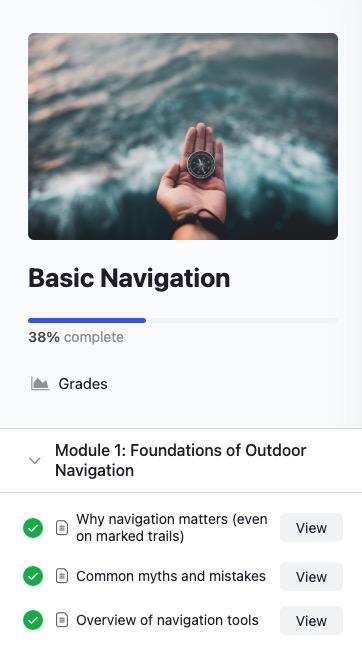
MemberPress realiza un seguimiento automático de la situación de los alumnos en el curso. Ellos pueden ver su progreso, y usted puede ver las tasas de finalización.
Acceso y modelos de precios
Adquisición de un curso independiente
Cree una suscripción específica para este curso. Pago único ($47-297 dependiendo de la profundidad), acceso de por vida.
Incluido en la suscripción Premium
Añada el curso como beneficio de los niveles superiores de afiliación. Es ideal para la retención; la gente no quiere perder el acceso a cursos que no han terminado.
Enfoque híbrido
Los miembros Basic pueden comprar cursos individualmente. Los miembros Premium tienen todos los cursos incluidos. Esto crea una ruta de actualización natural.
Precios de los cursos
El precio del curso depende de la profundidad, la calidad de la producción y la transformación que ofrezca.
Minicursos (1-2 horas en total): $27-47
- Enfoque técnico único
- Aplicación rápida
- Punto de entrada a su enseñanza
Cursos estándar (3-6 horas en total): $67-147
- Desarrollo completo de habilidades
- Múltiples módulos con progresión
- Transformación significativa
Cursos completos (más de 8 horas): $197-497
- Dominio profundo de un tema
- Amplio material de apoyo
- Componente comunitario o de coaching
Incluido en la afiliación:
Si los cursos están incluidos en un abono de $25/mes, en realidad se le está pagando a lo largo del tiempo. Un miembro que permanece 6 meses ha pagado $150 por el acceso.
Comercializar sus cursos
Antes del lanzamiento
- Anuncie el curso a su lista de correo electrónico
- Compartir los entresijos de la creación de cursos
- Recoger opiniones sobre qué incluir
- Crear una lista de espera
Lanzamiento
- Secuencia de correos electrónicos a su lista
- Precio especial de lanzamiento (crea urgencia)
- Bonificaciones por inscripción anticipada
- Testimonios de probadores beta, si están disponibles
En curso
- Destaque los cursos en entradas relevantes del blog
- Mostrar el contenido del curso como opción de actualización cuando los visitantes ven las recetas gratuitas.
- Incluir en la afiliación
- Promover a los miembros que aún no se han inscrito
¿Y ahora qué?
Los cursos proporcionan un aprendizaje estructurado, pero muchos entusiastas de la alimentación también desean una conexión con la comunidad. Los foros y espacios de debate pueden añadir un valor significativo a su afiliación.

Consiga MemberPress hoy mismo
Empieza a cobrar por los contenidos que creas.

¿Qué habilidad culinaria te gustaría más aprender en un curso? ¡Compártelo en los comentarios!
Si este artículo le ha resultado útil, síganos en Facebook, X, Instagramy LinkedIn!




 ES
ES  EN
EN  FR
FR  DE
DE  PT
PT 
Añadir un comentario