

Turn your love of cooking into recurring revenue with a monetized site that doesn’t depend on algorithms or advertisers.
If you’ve been thinking about turning your love of cooking into an online business, I have fantastic news: food content is one of the most monetizable niches on the internet.
But here’s what nobody tells you: putting recipes on a blog and slapping ads on them isn’t really a business model anymore.
Competition is brutal, and a combination of AI and Google’s algorithm changes have hammered recipe sites that relied purely on SEO traffic.
The creators who are en fait thriving have built direct relationships with their audience through memberships, courses, and community. Instead of being dependent on algorithms or advertisers, they own their audience.
In this guide, I’ll walk you through exactly how to build a food and recipe website that generates real recurring revenue using WordPress and MemberPress.
We’ve also created detailed guides for each monetization model, so you can go deep on whatever fits your style.
Why Food Content is Perfect for Memberships
Food content has something most niches don’t: people need it every single day. Your members aren’t consuming your content once and moving on. They’re coming back three times a day, every day, looking for their next meal idea.
That’s an engagement loop most creators would kill for.
Here’s why I think food and recipe sites are uniquely positioned for membership monetization:
Built-in recurring need. People don’t just need one recipe; they need an endless supply. That’s the definition of a subscription-worthy product.
High emotional connection. Food is tied to family, culture, health goals, and daily rituals. When someone finds a creator whose recipes actually work for their life, they’re loyal.
Multiple revenue angles. You’re not limited to one product. Recipes, meal plans, courses, cookbooks, community access, kitchen tool recommendations: it all fits naturally together.
Specificity wins. A vegan meal prep site serves a different audience than a BBQ smoking site than a budget family dinners site. You can niche down hard and own your corner.
The old model of “free recipes + ads” still exists, but it’s a grind. You need massive traffic to make meaningful money, and you’re always one algorithm update away from disaster.
With a membership site, instead of needing 500,000 monthly visitors, you need 500 people willing to pay $10/month. That’s $5,000/month in recurring revenue with an audience you actually know and can serve well.
7 Ways to Monetize Your Food and Recipe Website
I’m going to break down each model, explain who it’s best for, and point you to detailed guides where they exist. You don’t need to do all of these; mix and match the ones that fit your style and audience.
1. Premium Recipe Library
This is the most straightforward model: free recipes get people in the door, premium recipes are behind a paywall.
You publish some recipes publicly (great for SEO and discovery) and keep your best, most detailed, or most exclusive content for paying members.
What makes premium recipes worth paying for:
- Tested and perfected versions with detailed technique notes
- Exclusive seasonal collections or themed recipe packs
- Printable recipe cards and nutritional information
- Video walkthroughs showing exactly how to execute tricky steps
- Variations and substitutions for dietary restrictions
Who this is best for: Recipe developers with a large catalog who want to monetize existing content, or creators with a distinctive style people can’t find elsewhere.
2. Meal Planning Subscriptions
This is where I think the real money is in food content. Recipes are great, but what people actually struggle with is the meta-problem: “What am I going to eat this week?”
Members get weekly or monthly meal plans delivered to their inbox or member dashboard. Plans include recipes, shopping lists, and prep instructions.
What makes meal plans valuable:
- Removes decision fatigue (huge for busy families)
- Shopping lists save time and reduce food waste
- Prep schedules make batch cooking manageable
- Themed plans (budget-friendly, 30-minute meals, specific diets) let members choose their adventure
Who this is best for: Creators who understand their audience’s lifestyle constraints. The meal planner for working parents looks different from the meal planner for someone doing keto.
Food blogger The Girl On Bloor launched a meal planning membership at $8/month and grew to over 300 members in just 6 weeks: that’s about $2,400 in recurring revenue from a focused, valuable offer.
3. Online Cooking Courses
If you’ve got teaching chops, courses are a fantastic complement to recipes. Recipes tell people what to make; courses teach them comment to cook.
Course ideas that work:
- Knife skills and kitchen fundamentals
- Mastering a specific cuisine (Thai, Italian, French, etc.)
- Technique-focused courses (bread baking, fermentation, grilling)
- Diet-specific programs (30-day plant-based transition, keto cooking bootcamp)
- Seasonal cooking series (holiday entertaining, summer grilling, meal prep mastery)
MemberPress Courses lets you build and sell courses directly in WordPress. You can bundle courses with membership tiers, so your “Pro” members might get all courses included while basic members pay per course.
4. Digital Downloads and Cookbooks
Not everyone wants a subscription. Some people just want to buy once and own something. Digital products let you serve that audience.
Products to consider:
- Themed recipe eBooks (holiday cookies, weeknight dinners, instant pot recipes)
- Printable meal planners and shopping list templates
- Seasonal recipe collections
- Kitchen organization guides
- Conversion charts and cooking reference cards
Prix : eBooks typically run $9-29. Bundles and comprehensive guides can go higher ($39-79).
You can also use digital downloads as lead magnets to grow your email list, then upsell to recurring memberships.
5. Community and Forums
Here’s something I think a lot of food creators undervalue: people want to connect with other people who care about the same things they do.
A community around your food niche gives members a place to:
- Share their cooking wins (and fails!)
- Ask questions and troubleshoot recipes
- Get feedback on modifications and substitutions
- Connect with others following the same diet or cooking style
- Stay motivated on longer health or cooking journeys
Who this is best for: Creators whose audience shares a lifestyle or identity, not just a passing interest. Vegans, keto followers, sourdough obsessives, BBQ enthusiasts: these groups want to find their people.
The MemberPress ClubCircles™ add-on lets you create forums right on your WordPress site. You can have public spaces for general chat and private circles for premium members.
6. Coaching and Personalized Plans
At the premium end, some members want one-on-one attention. Coaching packages let you monetize your expertise at a much higher price point with a smaller number of dedicated clients.
Coaching formats that work:
- Custom meal plan creation based on individual needs
- Weekly or monthly check-ins for accountability
- Pantry audits and kitchen setup consultations
- Personal cooking lessons (virtual or in-home)
- Diet transition support (going plant-based, managing food allergies, etc.)
Prix : Coaching commands premium prices: $100-500/month for ongoing support, or $200-1,000+ for one-time custom plan creation.
I’d recommend using MemberPress CoachKit™ if you’re going deep on this model; it adds milestone tracking, habit logging, and messaging built right into your site.
7. Affiliate Marketing
Affiliate income works beautifully alongside memberships because your recommendations carry more weight when you’re not relying on them as your primary income.
What to promote:
- Kitchen equipment (stand mixers, instant pots, knives, cookware)
- Specialty ingredients and food subscriptions
- Meal kit services
- Kitchen organization products
- Cookbooks by creators you respect
Create a “my kitchen essentials” page for members with your honest recommendations. Do equipment reviews and comparisons. When you mention a product in a recipe, link it.
The key is authenticity; only recommend things you’d actually use.
How to Set Up Your Food Membership Site
Ready to build this? Here’s the roadmap with links to detailed guides:
Step 1: Choose Your Niche and Plan Your Site
Before you build anything, get clear on who you’re serving and what makes you different. The more specific your niche, the easier it is to stand out and the more valuable your membership becomes.
Step 2: Set Up WordPress with the Right Recipe Tools
You’ll need WordPress, MemberPress, and a recipe plugin that outputs proper schema markup for SEO. The technical setup matters more for food sites than most niches.
Step 3: Plan Your Membership Tiers
Here’s a framework I like for food sites:
Free/Email Tier:
- Access to a handful of free recipes
- Weekly newsletter with cooking tips
- Goal: Build your audience and prove your value
Basic Membership ($7-12/month):
- Full premium recipe library
- Printable recipe cards
- Basic meal planning resources
Premium Membership ($15-25/month):
- Everything in Basic
- Weekly meal plans with shopping lists
- Community forum access
- Member-only live cooking sessions
VIP/Coaching ($50-100+/month):
- Everything in Premium
- Custom meal planning
- Direct access for questions
- Monthly coaching call
You don’t need all four tiers on day one. Start with one or two and expand as you understand what your audience wants.
Step 4: Protect Your Premium Content
Use MemberPress Rules to control who sees what. You can protect content by category (all posts in “Premium Recipes”), by tag (posts tagged “meal-plan” require Premium tier), or by individual post.
I recommend using categories for broad protection and tags for tier-specific content.
Step 5: Set Up Your Recipe Content
Structure your recipes consistently:
- Clear intro with what makes this recipe special
- Ingredient list with notes on substitutions
- Instructions étape par étape
- Tips and variations
- Nutritional information (especially important for diet-focused niches)
- Beautiful photos (multiple angles, process shots)
Step 6: Automate Your Member Communications
Set up welcome emails, onboarding sequences, and ongoing engagement automations. For food sites, I especially like drip content: new meal plans that unlock automatically each week create anticipation that keeps members subscribed.
Content Ideas to Get You Started
Staring at a blank content calendar? Here are ideas organized by content type:
Premium Recipes:
- Restaurant copycat recipes
- Family heirloom recipes with stories
- “Healthified” versions of comfort food favorites
- Technically challenging recipes with detailed technique guides
- Seasonal collections (summer grilling, holiday baking, etc.)
Meal Plans:
- 30-minute weeknight dinners
- Budget-friendly family meals
- Meal prep Sundays (batch cooking guides)
- Diet-specific plans (keto, paleo, Whole30, plant-based)
- “Feed a crowd” entertaining menus
Courses:
- Knife skills fundamentals
- Bread baking from scratch
- Mastering your Instant Pot
- Homemade pasta workshop
- Fermentation 101
Downloads:
- Seasonal produce guides
- Freezer meal planning templates
- Pantry staples checklist
- Kitchen equipment buying guides
- Holiday menu planners
Community Prompts:
- “Show us your plating” photo shares
- Recipe remix challenges
- Ingredient of the month cooking experiments
- Cooking fail support threads
- “What’s for dinner tonight?” daily discussions
Real Food Sites Using MemberPress
These creators have built thriving food businesses with MemberPress:
40 tabliers
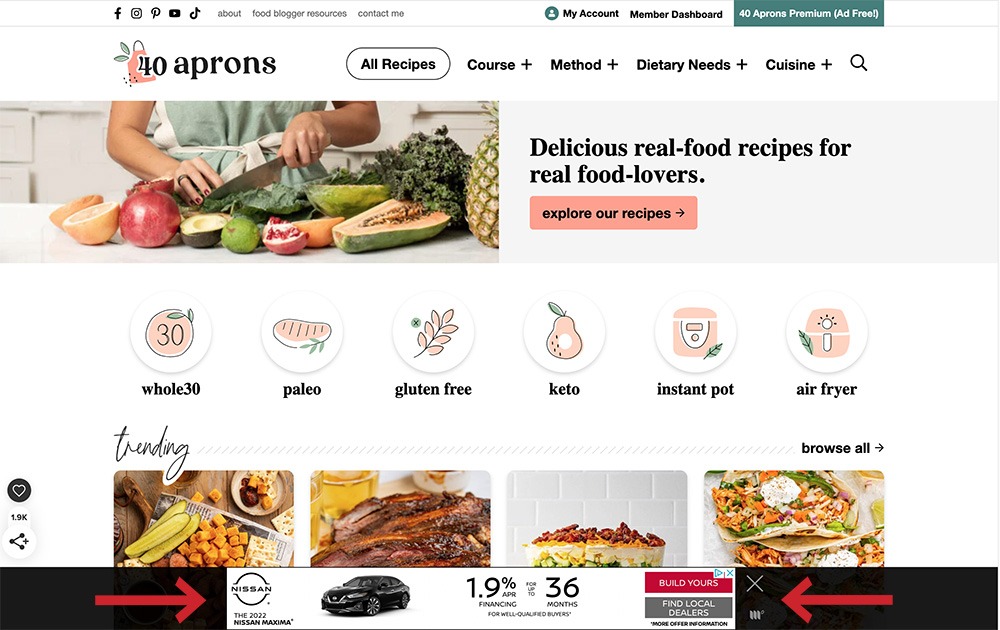
40 tabliers is run by Cheryl Malik, who’s been using MemberPress to monetize her alternative diet recipe blog since 2015. She focuses on Whole30, paleo, keto, and other dietary approaches, offering members an ad-free experience with access to premium content.
What started as a side project became a full-time business. Cheryl’s story shows how a specific niche (alternative diets) combined with consistent quality can build a loyal paying audience.
Santé Mon mode de vie

Santé Mon mode de vie offers everything you need for a plant-based lifestyle: recipes, meal plans, and shopping lists. They use MemberPress to manage three membership tiers, each including 400+ recipes and access to all prior meal plans.
Soy Saludable
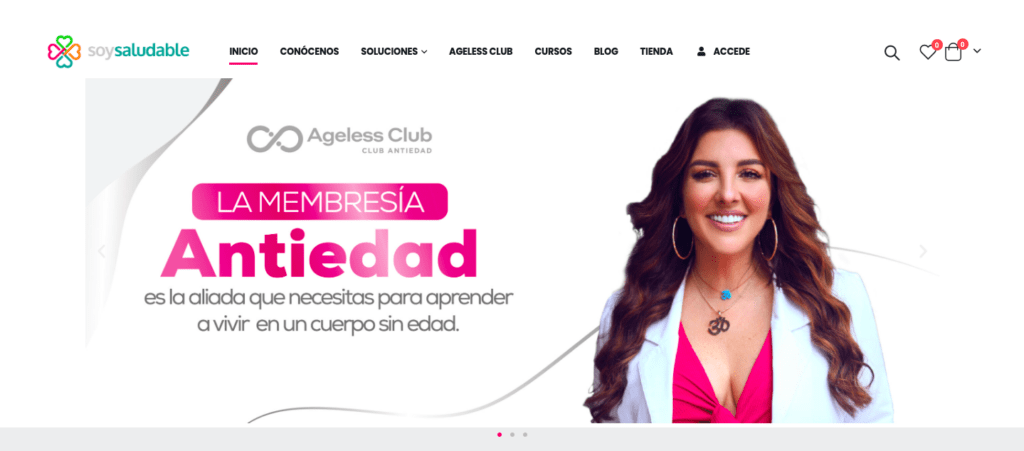
With over 2 million followers, Dr. Samar Yorde runs Soy Saludable, a Spanish-language site sharing anti-aging and health content.
MemberPress powers their Ageless Club, where members get live masterclasses, recipes, guided meditations, and exclusive discounts.

Food for Thought
Building a food and recipe website that actually makes money is about building something valuable enough that people want to pay for it directly.
The creators winning in this space have shifted from “content producer hoping for ad clicks” to “trusted expert with a paying audience.” That shift changes everything: how you create, what you prioritize, and how sustainable your business becomes.
MemberPress gives you all the tools to make this happen: memberships, courses, community, content protection, payment processing, and more.
Everything runs on your WordPress site, which means you own your platform and your audience relationship.
Ready to turn your food content into a real business? Démarrer avec MemberPress ou explore how food creators are monetizing with memberships.

Obtenez MemberPress dès aujourd'hui !
Commencez à être payé pour le contenu que vous créez.

What kind of food content are you thinking about creating? Drop your niche in the comments; I’d love to hear what you’re building!
Si vous avez trouvé cet article utile, suivez-nous sur Facebook, X, Instagramet LinkedIn!







 FR
FR  EN
EN  ES
ES  DE
DE  PT
PT 
Ajouter un commentaire